5 Creative Backsplash Ideas That Will Transform Your Kitchen
The kitchen is frequently designated as the central hub of the modern home. When undertaking a renovation or a minor aesthetic update, homeowners spend substantial time picking out cabinetry profiles, durable countertop materials, and major appliances. However, the vertical wall space between your countertops and upper cabinets presents an incredible design opportunity. The kitchen backsplash serves a vital functional purpose by protecting walls from moisture, grease, and cooking splatters, but it also functions as a primary visual focal point.
If you look past traditional, uniform ceramic field tiles, you will discover that a kitchen backsplash can completely dictate the architectural mood of your entire culinary workspace. Creative materials, unexpected layout patterns, and textured surfaces can make an otherwise standard kitchen look elevated and architectural.
The following five creative backsplash ideas balance long-term durability with high visual impact to help you design a space that breaks away from convention.
1. The Continuous Countertop Slab Extension
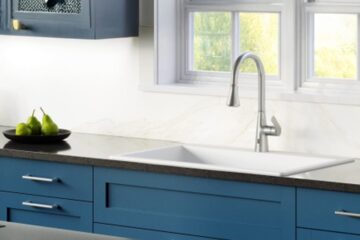
One of the most powerful luxury trends in contemporary residential design is the seamless transition from the horizontal work surface to the vertical wall. Instead of introducing a separate tile material for the backsplash, this method uses the exact same stone or engineered slab material from your countertops and runs it straight up to the bottom of your cabinetry or all the way to the ceiling line.
This layout strategy completely eliminates grout lines, creating an incredibly sleek surface that simplifies your daily cleaning routine. The visual effect is cohesive and minimal, shifting the design focus to the inherent beauty of the material itself.
-
Material options: Highly veined natural marbles like Calacatta or Carrara create a dramatic artistic statement when bookmatched behind a cooktop. For a more durable, low-maintenance lifestyle, engineered quartz or ultra-compact porcelain slabs simulate natural veining without the vulnerability to acidic food etching.
-
Visual spaciousness: Because there are no horizontal grid lines dividing the wall, running a solid slab backsplash fools the eye into perceiving the kitchen as significantly larger and more open than it actually is.
-
Installation considerations: This design requires professional templating and heavy lifting equipment. The fabricators must carefully measure electrical outlet cutouts before cutting the stone, as adjusting a solid stone slab on-site is difficult.
2. Antique or Distressed Mirror Paneling
If your kitchen suffers from a lack of natural light or feels enclosed due to a narrow layout, installing a mirrored backsplash can instantly solve your spatial dilemma. While using standard, highly reflective silver mirror can feel overly institutional or cold, opting for antique, smoked, or distressed mirror panels introduces warmth and old-world character.
Mirrored glass backsplashes bounce ambient light from windows and light fixtures across the room, brightening dark corners beneath deep upper cabinets. Furthermore, it creates a subtle reflection of the rest of your living space, making your kitchen footprint feel twice as large.
-
Patina and concealment: Antique mirror features dark, oxidized flecks and swirling patterns embedded within the silvering layer. This intentional distressing is highly functional because it effortlessly masks minor water spots, steam smudges, and oil splatters that would stand out immediately on a perfectly clear, standard mirror surface.
-
Safety parameters: You must specify tempered safety glass when ordering a mirrored backsplash. Standard glass mirror cannot withstand the direct thermal stress emitted by high-output gas range burners or hot pots placed close to the wall.
-
Design versatility: This treatment pairs beautifully with both historic homes featuring traditional inset cabinets and sleek, ultra-modern kitchens with flat-panel, high-gloss finishes.
3. High-Texture Zellige and Handmade Ceramic Tiles
For homeowners who appreciate artisanal craftsmanship and rustic character, handmade Moroccan Zellige tiles offer a spectacular alternative to machine-stamped subway tiles. Zellige tiles are crafted from natural clay, hand-chiseled, and fired in traditional wood-burning kilns, ensuring that no two individual tiles are identical.
The magic of a textured, handmade tile backsplash lies in its deliberate imperfection. Each tile possesses subtle variations in thickness, gentle shade differences within the same color lot, minor pit marks, and slightly irregular edges.
-
The play of light: Because the surface of each tile sits at a fractionally different angle relative to the wall, light hits the glazed surface unevenly. This creates a shimmering, water-like effect that shifts in character as natural daylight moves across the room throughout the hours of the day.
-
Groutless appearance: Traditional Zellige installation involves setting the tiles incredibly close together with minimal to no plastic spacers, creating an organic puzzle-like look. A thin, liquid grout wash is then used to fill the microscopic crevices.
-
Tactile warmth: This style softens the sterile, cold feeling often associated with stainless steel kitchen appliances and crisp engineered solid-surface countertops.
4. Metallic Sheets and Textured Metal Panels
Integrating metal surfaces into your backsplash design brings an industrial, professional-chef aesthetic into your residential kitchen, while offering unmatched heat resistance and sanitation. Rather than defaulting to basic brushed stainless steel, creative kitchen designs utilize metals like solid raw copper, unlacquered brass, or stamped zinc.
-
Developing a living patina: Metals like unlacquered copper and brass are considered living finishes. Over time, exposure to air, steam, and oils from cooking causes the metal surface to naturally oxidize, developing a rich, darkened patina unique to your personal cooking habits. If you prefer a polished appearance, the metal can be periodically treated with specialized polishing compounds to restore its original high shine.
-
Stamped patterns: For a vintage farmhouse or historic Victorian look, utilizing stamped tin panels featuring intricate geometric or floral relief patterns adds deep architectural detail to the space.
-
Seamless cleaning: Solid metal sheet backsplashes can be custom cut to fit your exact wall length, removing grout entirely from the equation. Grease and tomato sauce splatters can be wiped away easily with a damp microfiber cloth and mild dish soap.
5. Vertical and Oversized Subway Tile Orientations
If you love the timeless appeal and economic efficiency of classic ceramic subway tile but want to avoid a generic appearance, you can transform the look simply by altering the physical layout pattern and scale of the tile.
The classic running bond pattern, where rectangular tiles are stacked horizontally like traditional brickwork, is ubiquitous. By rotating the axis or stepping up the physical proportions, you can achieve a totally custom appearance using affordable materials.
-
The vertical stack: Orienting rectangular tiles vertically rather than horizontally draws the eye upward, visually elevating low ceilings and making the distance between your countertop and upper cabinets feel far more substantial.
-
The herringbone pattern: Laying rectangular tiles at a precise forty-five or ninety-degree interlocking angle creates a dynamic chevron zigzag pattern that acts as an integrated piece of graphic art on your walls.
-
Oversized dimensions: Moving away from the standard three-by-six-inch subway tile and stepping up to a modern four-by-twelve-inch or two-by-eighteen-inch proportion creates fewer grout lines and delivers a clean, architectural statement.
Frequently Asked Questions
Is it difficult to clean grease out of a textured tile backsplash like Zellige?
While the irregular surfaces of handmade Zellige tiles look complex, their fired glazed finish is non-porous and resists grease absorption. Cleaning simply requires standard maintenance using a soft sponge and a degreasing dish soap or a mild vinegar solution. Avoid abrasive scrubbing pads or harsh acid cleaners, which can slowly dull the glossy glaze or degrade the surrounding grout joints over time.
How do I handle the electrical outlets when installing a solid stone slab backsplash?
Handling electrical outlets cleanly requires precise coordination between your kitchen electrician and the stone fabricator. The outlets can either be cut out precisely so that standard decorative cover plates sit flush against the stone surface, or you can opt for low-profile pop-up outlets installed directly into the countertop itself. Another advanced option is mounting an under-cabinet power strip, which completely eliminates the need to cut unsightly holes into your stone backsplash wall.
Can a mirrored backsplash crack from the heat of a gas stove cooktop?
A mirrored backsplash will only crack if you fail to use tempered safety glass. Regular annealed glass mirror cannot handle thermal expansion and will shatter when exposed to the intense heat radiating from rear gas burners. During production, the glass must be cut to size, holes drilled for outlets, and then sent through a tempering oven, making it highly resistant to extreme temperature fluctuations.
Will unlacquered brass or copper backsplashes stain my white countertops as they oxidize?
Unlacquered metals will develop a dark oxide layer directly on their own surfaces, but they do not actively run or drip color unless they are continuously drenched in water. To prevent any potential tarnish from transferring to light quartz or marble countertops, ensure the seam where the metal panel meets the countertop surface is sealed with a high-quality, clear silicone caulk line.
What type of grout is best for a kitchen backsplash to prevent permanent food staining?
For kitchen backsplashes, specifying high-performance epoxy grout or a premium pre-mixed urethane grout is highly recommended over standard cementitious grout. Epoxy grout is completely non-porous, meaning it inherently resists water, oil, and deeply pigmented foods like tomato sauce or red wine, allowing you to wipe away spills without the risk of permanent discoloration.
Can I install a new tile backsplash directly over my existing old tile to save time?
While it is physically possible to tile over old tile, it is generally not recommended for a long-lasting installation. Adding a second layer of tile increases the total thickness of the wall, which pushes the backsplash out past your electrical boxes and countertop edges, creating awkward exposed borders. Tearing down the old material, repairing the underlying drywall or cement backer board, and starting with a flat, clean surface ensures proper adhesive bonding and a flush finish.