The Bathroom: A Sanctuary of Comfort, Function, and Design
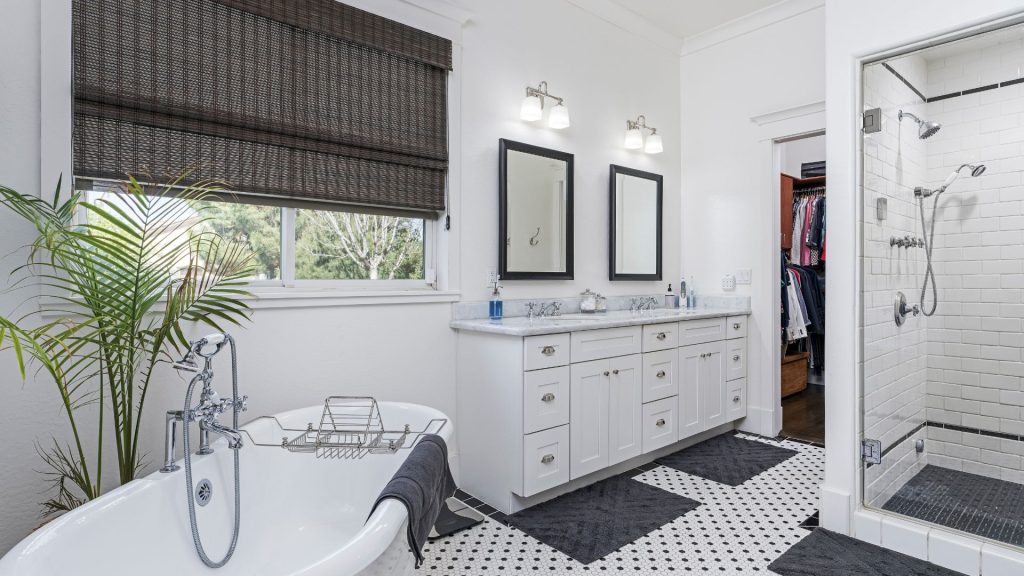
The bathroom, often seen as a humble and utilitarian space, is far more than just a room for daily hygiene routines. Over the years, it has evolved into a sanctuary of comfort, a place for reflection, and, in many modern homes, an expression of personal style. A thoughtfully designed bathroom can contribute not only to the overall aesthetics of a home but also to the quality of life for its inhabitants. From the functionality of its fixtures to the subtle details of its décor, every element of the bathroom plays a significant role in crafting an environment that balances both practicality and luxury.
A Place of Routine and Relaxation
At its core, the bathroom serves a simple but essential purpose. It is where we begin and end each day, where the rituals of grooming and self-care unfold. However, it is also a place where we find moments of solitude and relaxation. Whether it’s soaking in a hot bath after a long day or savoring a quiet morning shower, the bathroom provides an opportunity for personal moments of peace. The sensation of warm water enveloping the body or the gentle steam rising from a shower can be deeply calming, helping to reduce stress and promote a sense of well-being.
In many ways, the bathroom has become a personal retreat, a space where one can unwind and disconnect from the pressures of daily life. Modern bathrooms often include features like oversized bathtubs, rain showers, and steam rooms, all designed to create an atmosphere of indulgence and relaxation. The addition of aromatherapy, soothing lighting, and plush towels further enhances the experience, transforming the bathroom from a functional space to a place of pampering.
The Intersection of Function and Design
While comfort and relaxation are important aspects of bathroom design, functionality is paramount. A well-designed bathroom must cater to the practical needs of its users, offering a space that is not only efficient but also easy to maintain. The key to this lies in the careful selection of materials, fixtures, and layout.
For instance, the choice of flooring is a critical consideration. Tiles, natural stone, and vinyl are popular options due to their durability and ease of cleaning. Materials that are water-resistant and slip-resistant, such as textured tiles or rubberized flooring, are particularly suited for high-moisture environments. In addition to aesthetics, practicality plays a crucial role in the design of the bathroom. For example, a double vanity allows for multiple people to use the space simultaneously, while well-placed shelves or cabinets can help maintain an organized and clutter-free environment.
Plumbing fixtures, too, have evolved to blend functionality with design. Modern toilets, faucets, and showerheads are not only designed for efficiency but also for style. Touchless faucets, low-flow toilets, and water-saving showerheads have become common in eco-conscious homes, reflecting a growing awareness of sustainability. In the quest for both form and function, designers often turn to sleek, minimalist fixtures that offer a sense of modernity while still meeting the practical demands of the space.
The Role of Color and Light
The choice of color and lighting in the bathroom is integral to its overall ambiance. Lighter hues, such as whites, creams, and soft pastels, can make a small bathroom feel larger and more open. These colors reflect light, creating a bright and airy atmosphere. On the other hand, deeper tones like navy, charcoal, or forest green can add a touch of sophistication and coziness, especially when paired with the right lighting.
Lighting, too, plays a pivotal role in the bathroom. Layered lighting, which combines ambient, task, and accent lighting, ensures that the space is both functional and visually appealing. Overhead lights provide general illumination, while vanity lights offer focused light for grooming tasks. Accent lighting, such as LED strips around mirrors or recessed lighting in the shower, can add a sense of luxury and highlight architectural features. Dimmer switches allow for the flexibility to adjust lighting levels according to the time of day or the desired mood, whether it’s bright and energizing in the morning or soft and serene in the evening.
Innovations in Bathroom Technology
The integration of technology into the bathroom has revolutionized how we experience this intimate space. Smart toilets, heated floors, and voice-activated lighting are just a few examples of how technology has enhanced the bathroom environment. The advent of smart mirrors, which include features such as built-in lighting, anti-fog capabilities, and even Bluetooth speakers, has also made an impact on the way we interact with our bathrooms.
Furthermore, the rise of water-saving technologies has become an important consideration for many homeowners. Eco-friendly fixtures such as low-flow showerheads, dual-flush toilets, and water-efficient faucets not only reduce water consumption but also contribute to lowering utility bills. In a time when sustainability is a growing concern, these innovations represent a meaningful way to integrate environmental responsibility into the bathroom design.
Personalization and Luxury
One of the most exciting trends in bathroom design is the increasing emphasis on personalization. Homeowners today are more likely to invest in creating a bathroom that reflects their unique tastes and preferences. From custom vanities to bespoke lighting fixtures, there is an array of options available for those who wish to infuse their personality into their bathroom spaces.
Luxury features such as heated towel racks, freestanding bathtubs, and rain showers can elevate the experience, turning the bathroom into a spa-like retreat. The incorporation of natural materials like marble, wood, and stone adds elegance and texture, creating a space that feels both luxurious and grounded. Accessories like high-quality towels, artisanal soaps, and designer bathrobes can further enhance the sense of indulgence, ensuring that the bathroom is a place not just for hygiene, but for sensory pleasure.
Sustainability and Eco-Conscious Design
In recent years, the bathroom has also become a focal point for sustainable design. With growing awareness of environmental concerns, many homeowners are choosing to make eco-conscious choices when designing or renovating their bathrooms. Sustainable materials, such as bamboo, recycled glass, and natural stone, are increasingly popular for bathroom flooring, countertops, and fixtures.
Water conservation is another significant aspect of eco-friendly bathroom design. Low-flow showerheads, dual-flush toilets, and water-efficient faucets are all important considerations in reducing water consumption without sacrificing performance. Many manufacturers are now producing products that meet high environmental standards, offering both functionality and sustainability in equal measure.
Conclusion
The bathroom has evolved from a simple functional space to a luxurious, multifaceted room that combines convenience, comfort, and style. Today’s bathrooms are not only places for personal hygiene but also spaces where we can retreat, relax, and rejuvenate. With innovations in design, technology, and sustainability, the bathroom has transformed into a sanctuary that balances aesthetics with practicality. Whether it’s through the integration of cutting-edge technology, the use of eco-friendly materials, or simply a carefully considered layout, the bathroom remains a vital part of the home, offering both functionality and a sense of peace. It’s no longer just a room for necessities—it’s a space for enjoyment, reflection, and comfort.