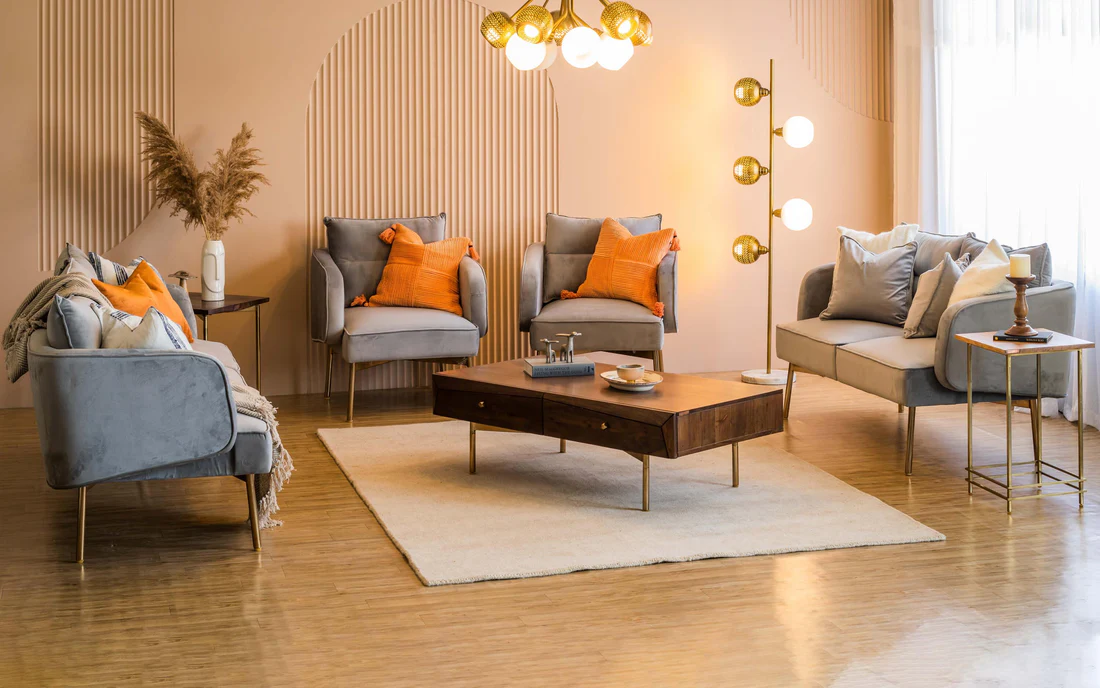
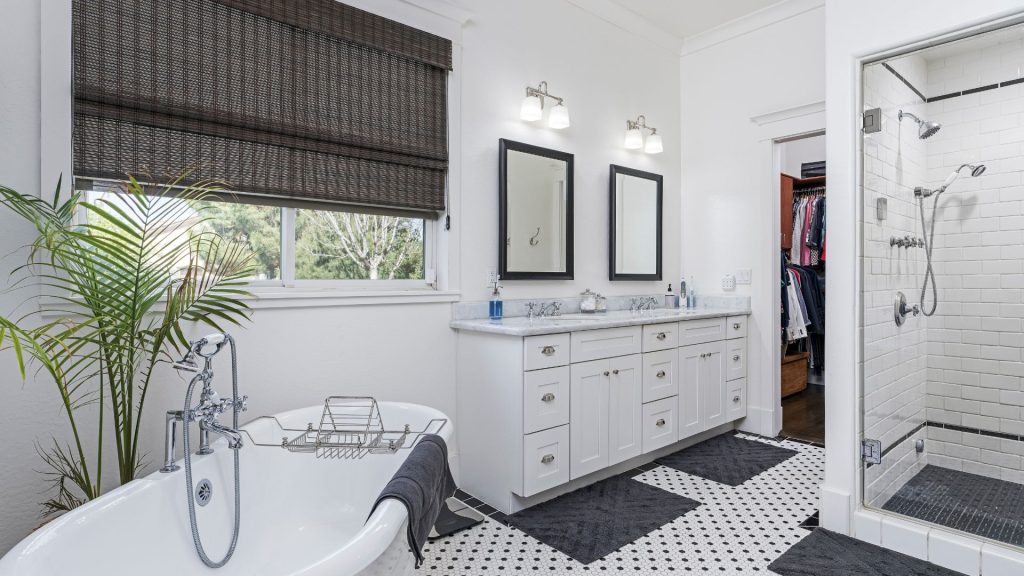
Home decor is much more than the mere arrangement of furniture or the choice of colors for your walls. It’s an art form—a reflection of your personality, lifestyle, and aspirations. Whether you are redecorating a single room or embarking on a complete home makeover, the decor choices you make have the power to transform your living environment into something more functional, comfortable, and aesthetically pleasing. In the world of design, it’s not about following trends blindly, but about curating a space that resonates with you and makes a statement. Here are some key decor tips to help elevate the atmosphere of your home with both style and substance.
1. Start with a Vision
Before diving into any design decisions, it’s important to first create a vision for your space. This vision should encompass how you want the room to feel and what kind of atmosphere you’d like to foster. Do you prefer a calming, minimalist retreat or a bold, eclectic room full of vibrant colors and textures? Creating a clear vision will help you maintain focus as you move through the decision-making process, ensuring that everything—from the furniture you select to the color palette you choose—works together in harmony.
One effective way to begin is by browsing design magazines, websites, or social media platforms like Pinterest for inspiration. Create a mood board that captures the essence of your style, whether it’s mid-century modern, bohemian, industrial, or traditional. As you compile images, patterns, and color swatches, you’ll begin to see the common thread that ties everything together, guiding you in making cohesive decisions.
2. The Power of Color
Color is perhaps the most influential element in interior design. It sets the tone for the entire room and can affect everything from mood to the perceived size of a space. Understanding how colors interact and the psychological effects they have is key to creating an environment that suits your needs.
Neutral tones, such as whites, grays, and beiges, are timeless and versatile. They serve as a great foundation for any room, offering a calm and balanced backdrop that allows other design elements to shine. If you’re working with a smaller space, light colors can make the area feel more expansive, while darker shades can add warmth and depth, making a room feel cozy and intimate.
For a more dynamic space, consider using accent colors to create visual interest. Bold hues like navy, emerald green, or burnt orange can infuse energy into a room without overwhelming it. These accents can appear in throw pillows, rugs, art pieces, or furniture, creating focal points that draw the eye and stimulate conversation. Just remember, balance is key—too many strong colors can make a room feel chaotic, while too little contrast can make it feel flat and uninspired.
3. Incorporate Texture and Layers
Texture is a powerful tool that can instantly elevate the comfort and visual appeal of any room. Layering different textures—such as velvet cushions, leather chairs, woven rugs, and silk curtains—creates depth and complexity, making a space feel inviting and tactile.
Soft textiles like throw blankets, pillows, and upholstered furniture add comfort and warmth to your space. A plush velvet sofa can bring a touch of luxury, while a linen throw invites relaxation and ease. In addition to textiles, don’t forget about harder textures such as wood, metal, and glass. A wooden coffee table, for example, can provide organic warmth to a room dominated by sleek, modern elements, while a metal lamp or mirror adds a bit of shine and sophistication.
4. Furniture with Purpose
Furniture is both functional and decorative, and its arrangement plays a crucial role in shaping the flow and feel of the room. Start by selecting pieces that not only serve your practical needs but also align with the aesthetic vision you’ve developed. For example, a large sectional sofa might be perfect for a family room, providing ample seating for gatherings, while a more refined chaise lounge might suit a reading nook or a bedroom.
When arranging furniture, it’s important to consider the room’s layout. Avoid overcrowding a space by leaving enough room for movement and interaction. In larger rooms, consider creating distinct zones using furniture placement. A sectional sofa can act as a divider between a lounging area and a dining space, while strategically placed rugs can visually separate different sections of a room. In smaller spaces, multi-functional furniture—such as fold-out desks or storage ottomans—can maximize utility without sacrificing style.
5. Personalize with Art and Accessories
While furniture and color are foundational to a well-designed room, it’s the accessories and artwork that truly make it feel like home. Art is a reflection of your personality and interests, and the pieces you choose should evoke emotions and tell a story. Whether it’s a vintage painting, a modern sculpture, or a handmade tapestry, art can serve as the focal point of a room and tie all the design elements together.
Accessories—such as decorative vases, lamps, mirrors, and plants—add the finishing touches that give a room character and individuality. A carefully selected vase filled with fresh flowers can brighten a space, while a large mirror can not only reflect light but also make a room appear larger. Greenery, whether in the form of large indoor plants or small succulents, can inject life into any room, adding color, texture, and freshness.
6. Lighting for Ambiance
Lighting is one of the most underappreciated aspects of interior design, yet it has a profound impact on the mood and functionality of a space. Different types of lighting—ambient, task, and accent—serve various purposes and can create different atmospheres depending on how they are layered and placed.
Ambient lighting provides overall illumination and is typically achieved through ceiling fixtures or wall-mounted sconces. Task lighting is focused and serves a practical function, such as desk lamps or under-cabinet lighting in the kitchen. Accent lighting, on the other hand, highlights specific features, such as artwork or architectural details, and adds depth and drama to a room.
To create the right ambiance, layer your lighting and incorporate dimmers, which allow you to adjust the intensity of light according to the time of day or activity. For example, a well-lit room during the day might require only subtle lighting in the evening, creating a more relaxed and intimate atmosphere.
7. Embrace Minimalism with a Twist
While maximalist design can be vibrant and exciting, there is something timeless about the simplicity of minimalism. A minimalist approach doesn’t mean sacrificing style, but rather embracing a “less is more” philosophy. By focusing on quality over quantity, you can create a space that feels open, uncluttered, and serene.
To achieve minimalist elegance, select a few standout pieces and allow them to shine. This could mean opting for a statement chair, a bold piece of art, or a sleek, modern light fixture. Keep accessories to a minimum, choosing only those that add value or purpose to the space. Decluttering is key to achieving a clean, minimalist look, and it often requires a disciplined approach to storage and organization.
8. Don’t Forget the Details
The small details in a room often have the most profound impact. From a carefully chosen throw pillow to a well-placed lamp, these finishing touches can elevate a room from simply functional to beautifully designed. Take the time to consider every detail, no matter how minor it may seem. A beautifully framed mirror, a vintage clock, or a small sculpture can add personality and charm.
Additionally, consider the functionality of everyday items. Decorative storage baskets, for example, can serve as both practical and stylish solutions to keeping a room organized. Opting for high-quality, well-designed items can make even the most mundane objects feel elevated and intentional.
Conclusion
Home decor is a personal journey, one that should reflect your unique taste, values, and lifestyle. By focusing on the fundamentals—such as color, texture, lighting, and furniture—you can create a space that is not only functional but also visually appealing. Remember, the key to successful decor lies in finding balance—balancing form with function, simplicity with detail, and individuality with cohesion. When executed thoughtfully, home decor can transform a house into a sanctuary, one that resonates with comfort, style, and meaning.