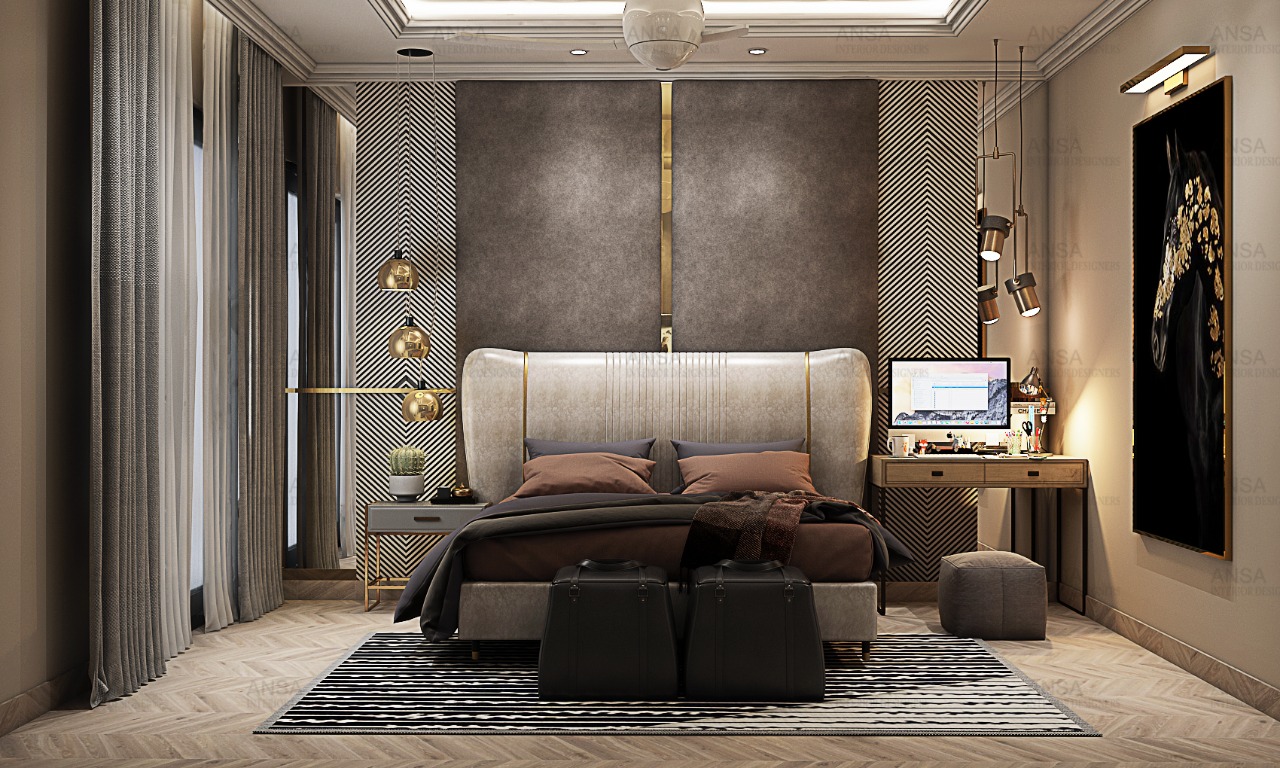
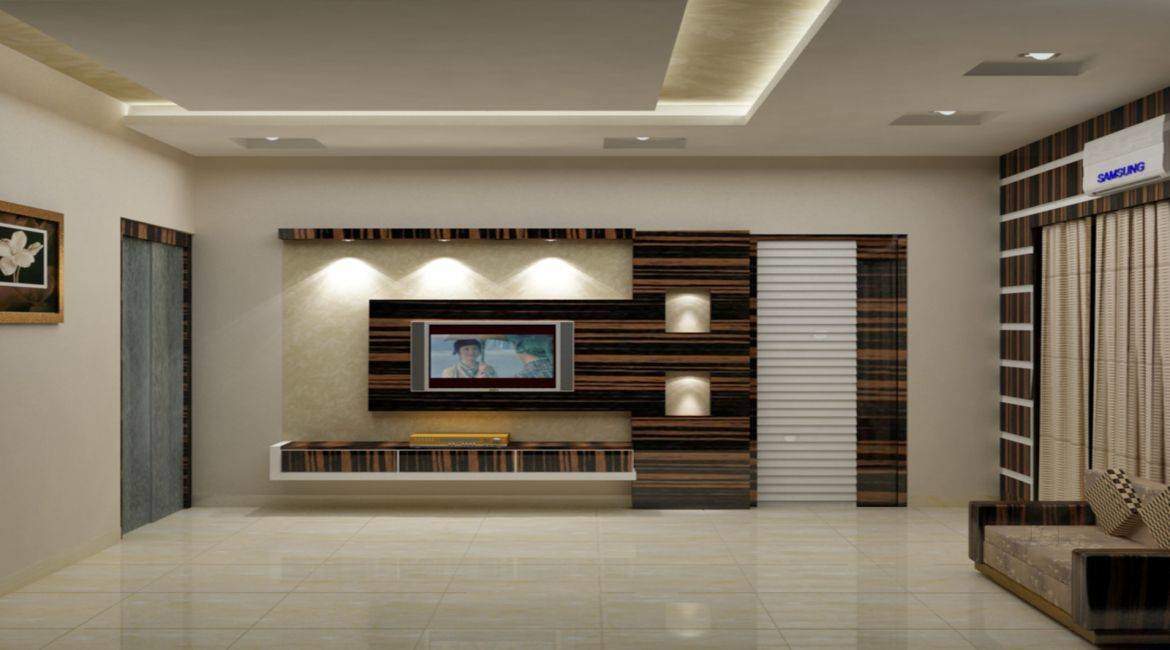
Interior design is a delicate balance of art and function, an intricate process that transforms spaces into places of beauty, comfort, and personal expression. It’s not merely about selecting furniture or choosing colors; it’s about creating environments that resonate with those who inhabit them, where every corner, every surface, and every element works together in harmony to evoke emotions and support daily life. From the living room to the bedroom, from the kitchen to the bathroom, interior design weaves together form and function, aesthetics and utility, crafting spaces that cater to both the senses and the soul.
The world of interior design is as vast as it is varied, offering an endless array of styles, materials, and philosophies. Whether it’s a small apartment in a bustling city or a sprawling countryside estate, each space has its own potential to tell a unique story. The goal of interior design is to unlock that potential, creating environments that are both functional and aesthetically pleasing. In this article, we will explore the key principles of interior design, the process of creating cohesive spaces, and the emerging trends that continue to shape how we live and work in our homes.
The Principles of Interior Design
At its core, interior design revolves around a few foundational principles that guide designers in creating spaces that are visually appealing and practical. These principles—balance, harmony, contrast, rhythm, and scale—serve as the blueprint for any successful design.
-
Balance: Balance in interior design refers to the distribution of visual weight within a room. There are three types of balance: symmetrical, asymmetrical, and radial. Symmetrical balance, often seen in traditional designs, involves mirroring elements on either side of a central point. Asymmetrical balance, commonly found in more contemporary spaces, achieves visual equilibrium by balancing dissimilar objects. Radial balance involves a central point with elements radiating outward, like the petals of a flower, often seen in round tables or circular arrangements.
-
Harmony: Harmony is the sense of unity in a space, where all elements—furniture, color, textures, and materials—work together seamlessly. A harmonious design doesn’t overwhelm the senses; it creates a peaceful, cohesive atmosphere. Achieving harmony often requires the careful selection of a color palette and a consistent theme throughout the space.
-
Contrast: Contrast adds interest to a space by juxtaposing different elements—such as light and dark, rough and smooth, or traditional and modern. By introducing contrast, designers can highlight key features of a room, like a bold art piece against a neutral wall or a sleek leather sofa juxtaposed with a textured rug. Contrast prevents a room from feeling monotonous and gives it visual energy.
-
Rhythm: Rhythm in interior design is about creating a sense of movement and flow within a room. This can be achieved through repeating patterns, shapes, colors, or materials. Think of how the repetition of a color in throw pillows, vases, and wall art can pull a space together, creating a subtle, yet effective rhythm.
-
Scale and Proportion: Scale and proportion are critical in ensuring that furniture and accessories fit comfortably within the space. An oversized sofa in a small room can overwhelm the area, while a tiny chair in a large, open space might get lost. Properly scaling furniture to the size of the room ensures that it feels balanced and proportionate, allowing the space to breathe while maximizing its functionality.
The Process of Interior Design
While interior design can be a deeply creative process, it also involves a step-by-step approach to ensure that the space meets both practical and aesthetic needs. Here’s an outline of how a typical interior design project unfolds.
-
Understanding the Space: Before any design decisions are made, it’s important to understand the space. This involves assessing its size, layout, natural light, and architectural features. Understanding the purpose of the space—whether it’s a living room, a workspace, or a bedroom—guides the designer in making decisions about how to arrange the room and select the appropriate materials and furnishings.
-
Establishing a Vision and Theme: Once the basic details of the space are understood, the next step is establishing a vision for the room. This often involves collaborating with clients to understand their personal style, preferences, and needs. Some may favor a minimalist approach with clean lines and neutral tones, while others may gravitate toward a more eclectic style with bold colors and mixed textures. The theme of the space—whether it’s modern, traditional, bohemian, or industrial—will dictate the materials, furniture, and layout.
-
Selecting Materials and Furniture: With a clear vision in mind, the next step is to select the materials, furniture, and decor that will bring the space to life. This includes choosing flooring, wall finishes, and upholstery, as well as selecting key pieces of furniture that define the room. The key is to choose items that align with the established theme and are functional for the intended use of the space.
-
Creating the Layout: Layout is one of the most important elements of interior design, as it dictates how the space will be used. The goal is to create a flow that encourages easy movement, fosters conversation, and ensures that each piece of furniture has a purpose. Designers often use a combination of furniture placement and lighting to define different zones within a room, such as a reading nook or a dining area in an open-concept space.
-
Focusing on the Details: Once the major elements are in place, the design process shifts to the details. This includes the selection of lighting fixtures, art, accessories, and textiles. Thoughtfully chosen accessories, such as a statement chandelier, a handwoven rug, or a collection of curated artwork, add personality and warmth to the space. The texture and fabric choices—whether it’s luxurious velvet curtains or soft linen throw pillows—add comfort and tactile appeal.
-
Final Touches: The final touches bring the room to life. These include adding greenery, personal items, or subtle accents that reflect the inhabitants’ personalities and tastes. A fresh vase of flowers, a stack of coffee table books, or a vintage record player can add a touch of character that makes the space feel unique and lived-in.
Current Interior Design Trends
As with all aspects of design, interior trends are constantly evolving. However, some current trends have proven to be enduring and continue to shape how we approach home design. Here are a few noteworthy trends that are influencing interior spaces today.
-
Sustainability and Eco-Friendly Design: As awareness of environmental issues grows, sustainable interior design has gained momentum. Materials like bamboo, reclaimed wood, and recycled glass are becoming more popular. Sustainable design not only focuses on using eco-friendly materials but also on creating spaces that are energy-efficient, such as incorporating natural lighting, passive heating and cooling, and energy-efficient appliances.
-
Biophilic Design: Biophilic design emphasizes the connection between humans and nature. It focuses on incorporating natural elements—like plants, natural light, and organic textures—into the interior environment. The goal is to create spaces that promote well-being by fostering a sense of tranquility and balance. Whether through large indoor plants, natural stone finishes, or wooden furniture, biophilic design aims to bring the outdoors in, offering a restorative and grounding environment.
-
Minimalism with Warmth: Minimalism has been a dominant style for years, and its evolution continues to influence modern interiors. The trend is moving away from stark, cold minimalism toward a more warm and inviting approach. Simple lines, neutral colors, and clutter-free spaces are complemented by cozy textures, like wool throws, velvet cushions, and soft rugs, creating a calm and serene atmosphere without sacrificing comfort.
-
Maximalism: On the other end of the spectrum, maximalism is experiencing a resurgence. This trend embraces bold colors, layered patterns, and a mix of eclectic styles. It’s about creating spaces full of personality, where every piece tells a story. Maximalist interiors celebrate individuality, using vibrant color schemes, mix-and-match furniture, and an abundance of accessories to create rich, stimulating environments.
-
Multifunctional Spaces: With the rise of remote work and flexible living arrangements, the demand for multifunctional spaces has never been higher. Home offices are integrated into living rooms, kitchens are expanded into entertainment areas, and bedrooms may double as personal gyms. Furniture that serves multiple purposes—like fold-out desks, storage ottomans, and modular sofas—helps maximize space without compromising on style.
Conclusion
Interior design is an art that combines creativity, functionality, and personal expression. It’s about curating a space that reflects the people who live in it while enhancing their comfort, productivity, and sense of well-being. From selecting the right materials to carefully crafting layouts and adding the perfect finishing touches, interior design is a dynamic process that transforms spaces into something far greater than the sum of their parts. Whether following current trends or creating a timeless look, the ultimate goal remains the same: to create an environment that feels both personal and functional, beautiful and livable. In doing so, interior design has the power to elevate not only the physical surroundings but also the lives of those who inhabit them.