5 Essential Spring Gardening Chores for a Vibrant Summer Yard
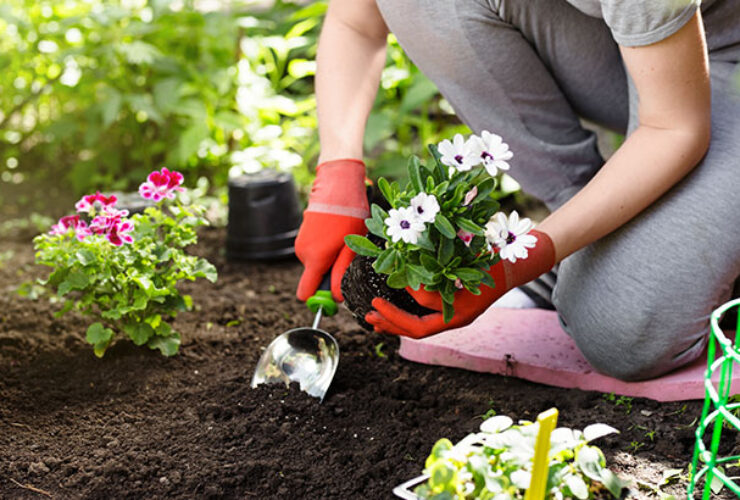
The transition from the cold, dormant months of winter to the warmth of spring is a critical period for any homeowner who values a beautiful landscape. While winter can leave a yard looking bleak, compressed, and cluttered, spring provides a brief window of opportunity to set the stage for summer success. What you do in your yard during these early weeks of rising temperatures directly dictates how lush your lawn will be, how abundantly your flowers will bloom, and how resilient your plants will be against the scorching heat of July and August.
Many people make the mistake of waiting until summer is already underway to begin their heavy yard maintenance. By that time, weeds have already established deep root systems, soil has compacted, and plants have spent valuable energy trying to grow through winter debris. Taking a proactive, structured approach in the spring ensures that your plants have the nutrients, space, and structural integrity they need to thrive when the growing season reaches its peak.
The following five essential spring gardening chores form the foundation of a vibrant, healthy, and visually stunning summer yard.
1. Comprehensive Debris Removal and Bed Cleanup
Before you can add anything new to your landscape or apply protective coatings like mulch, you must clear away the remnants of the previous year. Winter storms, falling leaves, and freezing temperatures leave behind a layer of debris that can actively harm your plants if left undisturbed.
Matted leaves and twigs form a dense, impermeable barrier over the soil surface. This barrier traps excessive moisture underneath, creating a breeding ground for fungal diseases like snow mold, while simultaneously blocking vital sunlight and oxygen from reaching the roots of emerging perennials and grass blades.
-
Clear out the beds: Use a flexible rake or your hands to gently remove dead leaves, fallen branches, and dried perennial stalks from all planting beds. Be careful not to step directly into wet garden beds, as the weight of your boots can severely compact the soil.
-
Inspect for pests and disease: As you clear the debris, look closely at the base of your plants for signs of overwintering insect pests or unusual mold growth. Catching these issues while the weather is cool makes containment significantly easier.
-
Address the lawn: Rake your lawn thoroughly with a thatch rake to pull up dead, embedded grass fibers. This opens up the turf canopy, allowing early spring fertilizer and water to penetrate directly into the root zone.
2. Soil Testing and Deep Nutrient Amendment
Healthy plants cannot exist without healthy soil. Over the course of a busy growing season, heavy-feeding plants draw immense amounts of macro and micronutrients out of the earth, leaving it depleted by the time spring rolls around again.
Rather than blindly throwing down generic fertilizer, which can lead to nutrient toxicity or chemical runoff, the spring is an ideal time to assess what your soil actually needs. A simple soil test kit or a sample sent to a local university cooperative extension office will reveal your soil’s precise pH level as well as its concentrations of nitrogen, phosphorus, and potassium.
Once you understand your soil profile, you can amend it organically. Applying a one to two-inch layer of rich, well-rotted compost across your vegetable gardens and flower beds introduces vital organic matter. This compost does more than just feed the plants; it improves the physical structure of the soil. It helps heavy clay soils drain more efficiently and assists loose, sandy soils in retaining precious moisture during intense summer droughts. Work the compost gently into the top few inches of soil using a garden fork, taking care not to disrupt the roots of established perennial plants.
3. Strategic Pruning of Dormant Woody Plants
Pruning is one of the most effective ways to stimulate robust new growth, improve plant architecture, and maximize flower production. However, timing is everything when it comes to cutting back woody shrubs and trees.
Early spring, while plants are just starting to wake up but before they have fully leafed out, is the prime window for shaping summer-blooming varieties. Because the plant is not yet channeling energy into supporting a massive canopy of leaves, it can direct all its healing resources toward sealing the pruning cuts quickly, minimizing the risk of disease entry.
Focus your efforts on removing the three Ds: wood that is dead, damaged, or diseased. Look for branches that cross over one another and rub together, as these friction points create open wounds on the bark. Cut back summer-blooming shrubs like panicle hydrangeas, butterfly bushes, and rose bushes to encourage strong new stems, which is where this year’s flowers will form.
Conversely, make sure to avoid pruning spring-blooming plants like azaleas, lilacs, and forsythia right now. These varieties formed their flower buds during the previous autumn; if you cut them back in the early spring, you will inadvertently remove all of this season’s colorful display.
4. Edging Beds and Applying Fresh Mulch
Nothing transforms a yard from looking chaotic to looking professionally landscaped quite as fast as clean, defined edges and a fresh layer of mulch. Beyond the obvious aesthetic upgrade, this chore serves several critical biological purposes that keep your yard vibrant all summer.
Start by establishing a clean border. Use a sharp, half-moon edging shovel or a mechanical edger to cut a deep, vertical V-trench along the perimeter where your grass meets your garden beds. This physical trench acts as a barrier, preventing aggressive lawn grass roots from creeping sideways into your flower beds and stealing nutrients.
Once the edges are cut, distribute a high-quality organic mulch, such as shredded hardwood bark or pine nuggets, across the open soil. Aim for a consistent thickness of two to three inches.
-
Moisture conservation: Mulch acts as a protective blanket, reducing water evaporation from the soil surface by up to seventy percent. This keeps plant roots cool and hydrated during summer heatwaves.
-
Weed suppression: A thick layer of mulch blocks sunlight from reaching buried weed seeds, preventing them from germinating and overtaking your garden.
-
Proper application technique: Always keep the mulch a few inches away from the actual stems of shrubs and the trunks of trees. Piling mulch directly against the wood, often called volcano mulching, traps moisture against the bark, which causes wood rot and invites boring insects to attack the plant.
5. Early Weed Prevention and Target Eradication
Weeds are the ultimate opportunists. They grow faster, tolerate harsher conditions, and consume resources far more aggressively than most ornamental plants. If you allow weeds to gain a foothold in the spring, you will spend the rest of the summer fighting a losing battle.
Spring weed control requires a dual-action strategy: prevention and active eradication. For lawns that suffer from historical infestations of crabgrass, applying a pre-emergent herbicide in the early spring is highly effective. Pre-emergent products work by creating a chemical barrier in the top layer of soil that stops weed seeds from successfully developing roots as they wake up. The key is to apply it when the local soil temperature reaches roughly fifty-five degrees Fahrenheit for several consecutive days, which usually coincides with the blooming of local forsythia bushes.
For weeds that have already broken through the surface, such as dandelions, chickweed, or wild mustard, manual removal is the best course of action. Use a specialized weeding tool to dig deep beneath the weed to extract the entire taproot. Leaving even a small piece of the root behind in the damp spring soil can allow the weed to regenerate completely within a matter of weeks.
Frequently Asked Questions
When is it safe to start cleaning up my garden beds without harming local wildlife?
It is best to wait until daytime temperatures consistently reach fifty degrees Fahrenheit for at least a week before doing a heavy cleanup. Many beneficial insects, such as native bees, lacewings, and ladybugs, spend the winter hibernating inside hollow plant stems and beneath leaf litter. Cleaning up too early can inadvertently destroy these populations before they have a chance to wake up and help control summer pests.
Is it necessary to dethatch my entire lawn every single spring?
No, dethatching every year is generally not necessary and can cause undue stress to healthy turf. A thin layer of thatch, measuring less than a half-inch thick, is actually beneficial because it protects the soil and cushions the root zone. You should only perform a heavy dethatching if the layer exceeds a half-inch and feels spongy underfoot, as excessive thatch blocks water and oxygen from reaching the soil.
Can I use fresh grass clippings from my first spring mow as a mulch layer?
While you can use grass clippings as mulch, you must do so carefully. Fresh clippings are very high in moisture and nitrogen; if piled too thickly, they will mat together, emit a foul odor, and create an slimy barrier that blocks water entry. If you want to use them, apply them in very thin layers, or allow the clippings to dry out completely in the sun until they turn brown before spreading them in your beds.
How do I know if my spring-flowering bulbs need to be fertilized?
If your tulips, daffodils, or crocuses are producing plenty of green leaves but very few flowers, it is a sign they are running out of nutrients. The best time to fertilize bulbs is early spring when the green shoots first emerge from the ground. Use a slow-release fertilizer formulated specifically for bulbs, which provides the phosphorus needed to build strong flower structures for the following year.
What should I do if a late spring frost is predicted after I have already planted annuals?
If unexpected freezing temperatures are forecasted after you have put tender plants or warm-season annuals into the ground, you must provide physical protection. Cover the sensitive plants in the late afternoon with breathable materials such as old bedsheets, burlap, or inverted cardboard boxes. Avoid using clear plastic sheeting directly touching the foliage, as plastic transfers the cold easily and can burn the leaves when the sun hits it the next morning.
Why is my lawn turning yellow in early spring despite applying fertilizer?
Yellowing grass in the early spring is often caused by a temporary iron deficiency or excessive soil moisture from heavy spring rains, a condition known as chlorosis. When the soil is cold and saturated with water, grass roots struggle to absorb nutrients efficiently. As the soil dries out and warms up, the root system will recover and the grass will naturally regain its vibrant green color.
Can I divide my summer-blooming perennials during my spring cleanup?
Yes, early spring is an excellent time to divide perennials that bloom in the summer or autumn, such as hostas, daylilies, and coneflowers. Dividing them while they are still small and pushing out new growth gives the root systems ample time to recover and establish themselves in their new locations before the stress of summer heat arrives.