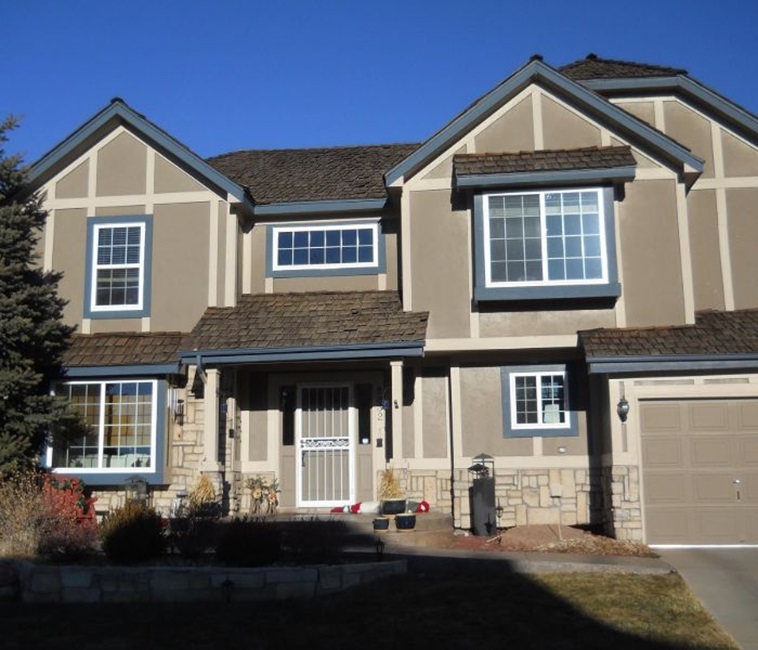
Whole-House Remodel: Should You Stay or Should You Move Out?

Embarking on a whole-house remodel is an exciting milestone. It offers the opportunity to transform your existing property into your dream home, custom-tailored to your aesthetic preferences and functional needs. However, before the first sledgehammer swings, you face a critical logistical decision: Should you live in the house during construction, or should you pack your bags and move out temporarily?
This choice is rarely simple. It requires a careful balancing act between financial constraints, emotional resilience, timeline management, and safety considerations. While staying put saves money on temporary rent, it introduces a unique set of daily stresses. Conversely, moving out offers peace of mind but adds a substantial line item to your renovation budget.
To help you make the right choice for your family and your project, this guide breaks down the core factors you must consider, the pros and cons of each approach, and how your choice impacts the construction process itself.
The Reality of Living in a Construction Zone
Many homeowners underestimate the physical and psychological toll of living amid a major renovation. A whole-house remodel is not a localized bathroom update; it affects the infrastructure of your entire living space.
Dust, Noise, and Air Quality
Construction dust is invasive. Even with heavy plastic sheeting and zipped containment zones, fine particles find their way into closets, HVAC systems, and electronics. The constant drone of power tools, hammering, and worker conversations begins early in the morning and can disrupt sleep schedules, remote work, and general peace. Furthermore, the presence of airborne particulates, paint fumes, and drywall dust can pose health risks, particularly for children, the elderly, or anyone with respiratory conditions like asthma.
The Loss of Functional Spaces
A whole-house remodel typically means your kitchen, multiple bathrooms, or primary living areas will be stripped to the studs simultaneously. Living without a functioning kitchen forces you to rely on microwave meals, grilling, or takeout, which quickly becomes expensive and unhealthy. If you only have one bathroom and it is scheduled for a tear-out, staying in the home becomes practically impossible unless you are comfortable utilizing a portable restroom in the driveway.
Weighing the Options: Pros and Cons
To determine the best path forward, it is helpful to analyze the distinct advantages and disadvantages of both staying and leaving.
Scenario A: Staying in the Home
The Pros:
-
Cost Savings: The most obvious benefit is financial. You avoid paying for a short-term lease, Airbnb, or extended-stay hotel, leaving more room in your budget for high-end finishes or unexpected repair contingencies.
-
On-Site Monitoring: Being physically present allows you to monitor daily progress, catch potential misunderstandings early, and answer contractor questions on the spot.
-
Security and Convenience: You do not have to pack up your entire life, forward your mail, or worry about the security of a vacant property.
The Cons:
-
High Stress Levels: Living in chaos for months can strain relationships and disrupt daily routines.
-
Slower Construction Progress: Contractors must work around your schedule, clean up thoroughly at the end of every single day, and maintain temporary utility hookups, which slows down the overall timeline.
-
Safety Hazards: Exposed wiring, open subfloors, and sharp tools create a hazardous environment, especially for households with young children or curious pets.
Scenario B: Moving Out Temporarily
The Pros:
-
Faster Project Completion: When workers have unrestricted, continuous access to the entire house, they can move seamlessly from one trade to another without stopping to restore living conditions every evening. This can shave weeks or even months off a large-scale project timeline.
-
Reduced Stress and Better Quality of Life: You maintain a clean, quiet, and predictable environment to return to at the end of the day, preserving your mental well-being and routine.
-
Lower Labor Costs: Because contractors do not have to spend time on daily deep cleaning or setting up and tearing down temporary living structures, labor efficiency maximizes, potentially offsetting some of your relocation costs.
The Cons:
-
Dual Living Expenses: You must absorb the cost of rent or lodging on top of your existing mortgage and the cost of the remodel itself.
-
The Hassle of Moving: Packing, moving, and unpacking twice in a short period requires significant time and physical effort.
-
Less Direct Oversight: You will need to make deliberate trips to the job site to check on progress, which can be difficult to coordinate with a busy work schedule.
Key Factors That Should Dictate Your Decision
If you are still on the fence, evaluating these four specific variables will usually clarify the best path forward for your specific situation.
1. Scope and Scale of the Project
If your remodel involves structural changes, moving walls, upgrading the main electrical panel, and replacing the entire plumbing system, utility shutoffs will be frequent and prolonged. Living without electricity, water, or heat for days at a time is highly impractical and often violates local tenant and occupancy laws.
2. Household Demographics
Adults with flexible schedules might handle the chaos of a remodel relatively well. However, if your household includes infants, toddlers, elderly relatives, or pets, the disruption can be magnified. Pets, in particular, can become highly stressed by loud noises and unfamiliar people, leading to behavioral issues or accidental escapes through open construction doors.
3. Your Personal Tolerance for Chaos
Be honest with yourself about your personality and stress triggers. If you are someone who thrives on order, cleanliness, and predictability, living in a dusty, disorganized environment will quickly take a toll on your mental health.
4. The Timeline of the Remodel
A project lasting two to three weeks is manageable for on-site living. A whole-house remodel, however, frequently spans three to nine months. Enduring suboptimal living conditions for nearly a year is vastly different from roughing it for a long weekend.
Visualizing the Transformation
Before diving into the logistics of your move, it helps to keep the end goal in mind. A complete overhaul requires clear space for professionals to execute their work efficiently.
Tips for Managing Either Choice
Regardless of which route you choose, proper preparation will mitigate friction and ensure a smoother remodeling experience.
If You Choose to Stay:
-
Establish a Designated Oasis: Keep at least one room completely free of construction materials and dust where your family can relax away from the mess.
-
Create a Temporary Kitchen: Set up a mini-fridge, microwave, coffee maker, and toaster oven in a garage, basement, or spare bedroom. Use disposable or compostable dinnerware to minimize the need to wash dishes in a bathroom sink.
-
Communicate Boundaries Clear: Discuss working hours with your general contractor. Establish strict rules regarding when workers can arrive, when they must depart, and which bathroom they are permitted to use.
If You Choose to Move Out:
-
Schedule Regular Site Visits: Plan a recurring weekly walkthrough with your project manager to review progress, verify design choices, and address issues before they become permanent.
-
Secure Your Belongings: Rent a portable storage container or climate-controlled storage unit for your valuable furniture, artwork, and heirlooms to protect them from accidental damage and dust.
-
Build a Buffer into Your Temporary Lease: Construction delays are common due to weather, material shortages, or permitting issues. Ensure your temporary housing arrangement has a flexible move-out date or a month-to-month option so you are not displaced if the project runs over schedule.
Final Verdict
Ultimately, the decision to stay or move out during a whole-house remodel depends on your budget and your lifestyle. If saving money is your absolute highest priority and you possess high resilience to disruption, staying put might work for you. However, for most extensive, whole-home renovations, moving out is the superior option. The accelerated construction timeline, reduction in daily stress, and protection of your family’s health and safety generally far outweigh the temporary relocation costs.
Frequently Asked Questions
Does staying in the house during a remodel void homeowner insurance policies?
It rarely voids the entire policy, but it can complicate claims. Standard homeowner insurance policies are designed for occupied, finished homes. When major structural work occurs, your risk profile changes significantly. You must notify your insurance provider about the renovation; they may require you to add a builder risk policy or a specific renovation rider to cover accidents, theft of building materials, or structural damage during construction.
Are contractors legally allowed to work if the homeowners are living on-site?
Yes, in most jurisdictions it is entirely legal, provided the home maintains minimum habitability standards, such as functioning emergency exits, basic sanitation, and running water. However, local building departments or specific municipalities may restrict occupancy if the structural integrity of the home is compromised or if hazardous materials like lead or asbestos are being abated.
How much faster can a contractor finish a remodel if the house is empty?
While every project varies, an empty house typically speeds up construction timelines by twenty to thirty percent. Without the need to protect furniture, clean up paths daily for occupants, and work in restrictive zones, crews can schedule multiple trades simultaneously, such as plumbers and electricians working in different rooms on the same day.
Can I pack my belongings into the garage and live in the main house?
This depends heavily on the scope of the project and the space available. If the garage is not being remodeled, it is an excellent place to store belongings. However, contractors often use garages to store bulk materials, set up saws, or protect appliances before installation. You must clarify with your contractor whether they require access to the garage before assuming it can be used for personal storage.
Will living on-site save me money on labor costs?
Generally, no. In fact, it can sometimes increase labor costs. While you save money on external lodging, the contractor may charge additional fees for the labor hours spent on daily cleanup, setting up dust containment walls, relocating temporary appliances, and staging work around your daily life.
How do I handle mail delivery and home security if I move out temporarily?
You should submit a temporary change of address or mail-forwarding request to the postal service. For security, maintain your internet service if possible to keep smart security cameras and exterior lighting operational. Let your neighbors know you will be away but that authorized contractors will be on-site, and ensure the project manager has a secure system, like a smart lock or lockbox, for worker access.