Radiant Floor Heating: Is It Worth the Investment?
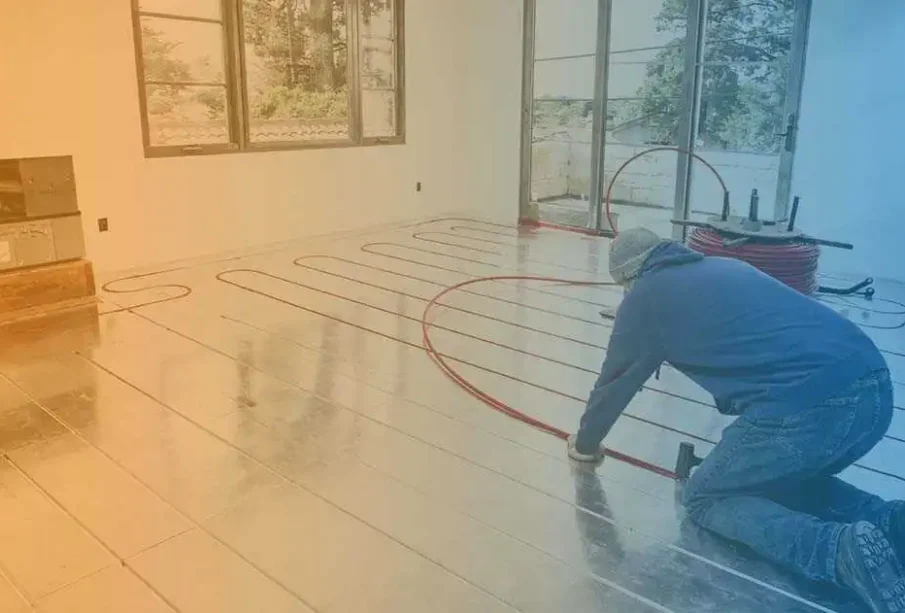
When homeowners evaluate options for heating their living spaces, traditional forced-air systems are usually the default choice. Forced-air units rely on a furnace to heat air, which is then blown through a network of ductwork and pushed out through metal vents located across various rooms. While this mechanical methodology is common, it presents several physiological and spatial drawbacks, including uneven heat distribution, loud operational noise, and the constant blowing of airborne allergens.
An increasingly popular alternative that completely redefines domestic thermal comfort is radiant floor heating. Instead of heating the air directly, this system installs heating elements directly beneath your flooring material, transforming your entire floor plane into a giant, low-temperature radiator. If you are planning a comprehensive home renovation or building a new house, determining whether radiant floor heating is worth the higher upfront installation cost requires a thorough understanding of its underlying science, logistical configurations, and long-term financial dynamics.
The Mechanical Logic: Hydronic vs. Electric Systems
Radiant floor heating is broadly divided into two distinct technological categories based on how the thermal energy is generated: hydronic systems and electric systems. Choosing between the two depends heavily on the scope of your construction project and your local energy utility infrastructure.
-
Hydronic Radiant Heating: This configuration is the gold standard for full-house installations and new construction projects. It utilizes a centralized boiler or a high-efficiency heat pump to warm water, which is then mechanically circulated through a continuous, serpentine network of flexible cross-linked polyethylene, or PEX, tubing embedded beneath the floor. While hydronic systems feature high initial installation complexities and material expenses, their operational costs are incredibly low, making them highly cost-effective for large-scale, long-term residential heating.
-
Electric Radiant Heating: This setup uses woven mesh mats embedded with thin electric resistance cables that heat up when connected to your home’s electrical grid. Electric systems are far thinner than hydronic tubes, making them the ideal choice for retrofitting single rooms during a minor remodel, such as updating a master bathroom or kitchen floor. Because the system can be thin-set directly beneath tile without significantly raising the total floor height, installation labor is minimal. However, because electricity is often a more expensive utility than natural gas or heat pump energy, running an electric system across an entire house can result in high monthly energy bills.
The Thermodynamic Advantage of Radiant Heat
To understand why radiant heating feels superior to a traditional furnace, you must look at how heat transfers across an open room. Forced-air systems operate via convection. Hot air rises rapidly from a floor vent to the ceiling, where it cools, sinks back down, and is drawn back into a return vent. This loop creates a persistent thermal stratification where the air near your ceiling might be eighty degrees Fahrenheit, while the air around your feet remains a chilly sixty-two degrees.
Radiant systems bypass the air entirely at first, utilizing infrared radiation to transfer heat. The warmth radiates upward directly from the floor boards, heating the physical objects and human bodies in the room first without disturbing the air currents. This generates what building scientists refer to as an ideal thermal comfort profile: your feet remain warm while the air at head level stays clear and comfortably cool.
Because the heat is evenly distributed across every single square inch of the room’s floor surface, you completely eliminate the hot and cold spots common with forced-air heating. Furthermore, radiant floor systems retain their heat for hours after the system cycles off, providing a stable, baseline temperature that prevents the jarring, loud temperature fluctuations associated with standard furnaces turning on and off throughout the night.
Energy Efficiency and Environmental Impacts
While the luxurious sensation of walking barefoot across a warm floor is a major selling point, the primary logistical justification for radiant heating lies in its long-term energy efficiency.
Traditional forced-air systems lose a massive amount of thermal energy through duct leakage. As hot air travels through cold attic spaces or uninsulated basements inside metal ducts, up to thirty percent of the heat energy escapes through tiny seams and unsealed joints before ever reaching your living room. Because radiant systems move heat directly through solid materials, duct loss is entirely eradicated.
Additionally, radiant systems operate at much lower baseline temperatures than traditional radiators or forced-air furnaces. To heat a room to seventy degrees, a standard baseboard radiator must be filled with water heated to roughly one hundred and eighty degrees Fahrenheit. A hydronic radiant floor system, because it possesses a massive surface area, only needs the water inside its PEX tubes to reach between eighty-five and one hundred and ten degrees Fahrenheit to achieve the exact same room temperature. Lower temperature demands mean your boiler or heat pump consumes far less fuel, shrinking your household carbon footprint and lowering monthly utility expenditures.
Flooring Material Compatibilities
One of the most critical variables governing the success of a radiant heating installation is the specific flooring material you place on top of the heating elements. Different materials feature varying levels of thermal conductivity, which dictates how quickly and efficiently the heat can migrate into the room.
-
Ceramic Tile, Porcelain, and Natural Stone: These are the absolute best pairings for radiant floor heating. Stone and tile possess exceptional thermal conductivity, meaning they heat up rapidly and act as excellent thermal mass reservoirs, holding and radiating warmth long after the system has shut down. They are also entirely immune to thermal expansion damage.
-
Engineered Hardwood: Unlike solid hardwood, which can warp, shrink, dry out, and cup when exposed to direct beneath-floor heat, engineered hardwood is highly dimensionally stable. Its layered construction resists expanding and contracting, making it an excellent, warm option for radiant systems, provided you follow the manufacturer’s maximum temperature limitations.
-
Polished Concrete: Polished concrete floors with embedded hydronic tubes are highly favored in modern architectural design. The concrete acts as an immense thermal battery, providing unparalleled heat retention and creating a sleek, durable, low-maintenance finish.
-
Carpet and Vinyl Flooring: Thick carpeting and heavy foam underlayment act as natural insulators, meaning they actively block heat from entering the room. While you can install radiant heat under carpet, it requires specifying a thin pad and keeping the total carpet density low to avoid choking out the system’s thermal performance.
The Financial Reality: Upfront Cost vs. Long-Term Return
There is no sugarcoating the fact that radiant floor heating requires a substantial upfront financial commitment compared to conventional HVAC solutions. Installing a hydronic system involves specialized manifold installations, precise layout configurations, heavy insulation boards beneath the tubes, and often pouring a specialized lightweight concrete self-leveling underlayment over the PEX network.
On average, a whole-house hydronic radiant floor installation can cost anywhere from two to three times more than installing a standard ductwork and furnace system. This reality means that if you plan on living in a home for only two or three years before selling, you are unlikely to fully recoup the initial installation capital through energy savings alone.
However, if you are designing a forever home or planning to stay in a property for a decade or more, the financial equation changes in your favor. The consistent fifteen to thirty percent savings on your winter heating bills will accumulate year after year. Furthermore, radiant systems contain very few moving parts compared to complex furnaces or heat pumps, which drastically reduces your annual maintenance costs and significantly extends the operational lifespan of the heating infrastructure to thirty years or more for the boiler, while the underlying PEX tubing itself is rated to last well over half a century.
Frequently Asked Questions
Can a radiant floor heating system also be used to cool a home during the summer?
While hydronic systems can theoretically run chilled water through the floor tubes to provide radiant cooling, it is incredibly difficult to manage in residential applications. If the floor surface temperature drops below the dew point of the indoor air, moisture will immediately condense across your floors, creating slick surfaces, warping wood, and promoting mold growth. Therefore, radiant floors are almost exclusively reserved for heating, and a separate traditional air conditioner or ductless mini-split system is typically required for summer cooling.
What happens if one of the PEX pipes beneath the concrete floor springs a leak?
Modern PEX tubing is highly durable, features no internal joints beneath the floor, and is engineered to last for decades without degrading. However, if a leak does occur due to accidental damage, such as someone drilling a bolt directly into the floor, the location can be pinpointed accurately using specialized thermal imaging cameras that trace the heat signatures of escaping water. Once located, professionals only need to break up a small, targeted section of the flooring to repair the pipe, avoiding the need to tear up the entire room.
Does radiant floor heating take a long time to warm up the room?
Yes, radiant floor heating operates with a high level of thermal inertia, meaning it reacts slowly compared to the instant hot air output of a furnace. A hydronic system embedded in a thick concrete slab can take several hours to bring a cold room up to the desired temperature. Because of this slow response time, radiant floors are not designed to be turned up and down throughout the day; instead, they are meant to be set to a consistent, stable temperature and left running continuously throughout the cold season.
Will a radiant floor heating system trigger allergic reactions or distribute dust?
Radiant floor heating is highly recommended by medical professionals for individuals suffering from severe asthma or airborne allergies. Because the system relies on natural infrared radiation rather than blowing air through dusty ductwork, it does not circulate dust mites, pet dander, mold spores, or pollen around your living spaces. The indoor air remains perfectly still and clean.
Can I install radiant floor heating directly over an existing plywood subfloor?
Yes, you can install radiant heating over an existing plywood subfloor using modern low-profile retrofitting systems. Manufacturers produce specialized wood sleeper panels that feature pre-cut tracks designed to snap PEX tubes or electric cables directly into place. These panels can be screwed down over your existing subfloor, slightly raising the total floor profile by only a half-inch to three-quarters of an inch, making it highly feasible for remodeling projects.
Is it safe to place heavy furniture or area rugs over a radiant heated floor?
Heavy furniture without legs that sits completely flush against the floor can trap heat, creating localized thermal hot spots that could damage wood flooring underneath. It is best to use furniture with legs to allow air to circulate. Similarly, you should avoid placing thick, rubber-backed area rugs over a heated floor, as the rubber can degrade from the constant warmth and act as an insulation barrier that stops heat from warming the rest of the room.