The Ultimate Seasonal Garden Maintenance Calendar
A thriving yard and garden require more than sporadic watering and occasional weeding. To maximize the health of your soil, the yield of your edible crops, and the beauty of your ornamental plants, you must sync your tasks with the changing seasons. Nature operates on a rhythmic cycle, and your maintenance routine should mirror those environmental shifts.
By breaking down your landscaping responsibilities into a structured seasonal template, you ensure that critical tasks are completed at the precise biological moment they are needed. This proactive approach saves time, reduces material waste, prevents structural plant damage, and minimizes the outbreak of pest infestations and fungal diseases.
Spring: Awakening and Foundation Building
Spring is a frantic period of intense growth and renewal. As temperatures rise and daylight hours lengthen, the main focus shifts toward soil preparation, waking up perennial beds, and starting the earliest plantings.
Early Spring Tasks
-
Clean up debris: Remove dead leaves, fallen twigs, and matted winter mulch from planting beds to allow the soil to warm up and expose emerging bulbs to sunlight.
-
Prune dormant wood: Trim back summer-blooming shrubs, ornamental grasses, and fruit trees before the buds break. Avoid pruning spring-blooming shrubs like lilacs or azaleas now, or you will remove this year’s flowers.
-
Test and amend soil: Take soil samples to check pH and nutrient levels. Broadcast compost, well-rotted manure, or necessary mineral amendments over the beds so spring rains can wash the nutrients down to the root zone.
Mid to Late Spring Tasks
-
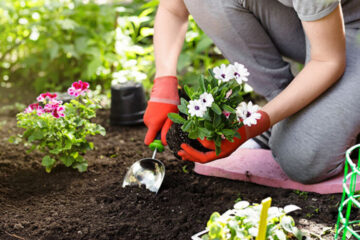
Establish edges and mulch: Clean up the borders of your garden beds with a sharp edging shovel. Apply a two to three-inch layer of organic mulch to conserve moisture, regulate soil temperature, and suppress weed germination.
-
Plant cool-season varieties: Transplant hardy vegetables like broccoli, kale, cabbage, and head lettuce into the ground. Direct-sow root crops like carrots, radishes, and beets.
-
Transition warm-season crops: Once the danger of the final spring frost has completely passed, harden off and plant tender annuals, tomatoes, peppers, melons, and squash.
Summer: Sustenance and Protection
Summer shifts the objective from creation to preservation. High heat, prolonged sun exposure, and periods of drought require diligent monitoring of water resources, diligent pest control, and standard harvesting.
Early Summer Tasks
-
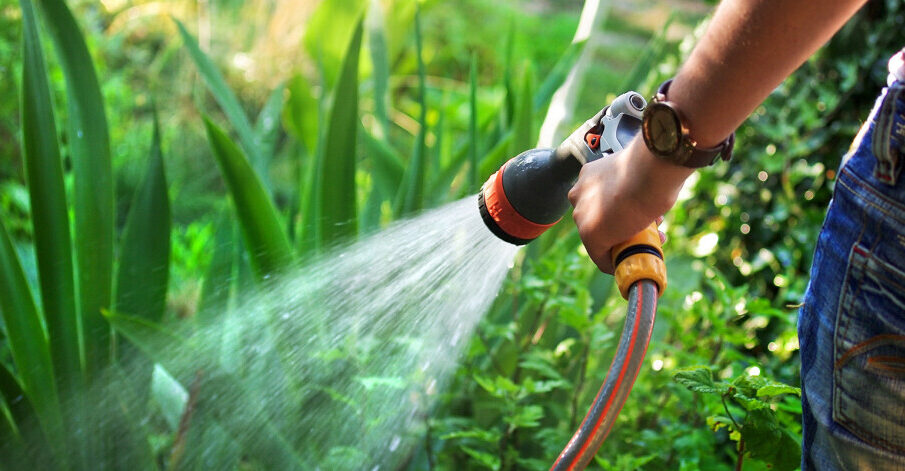
Implement deep watering: Shift from frequent, shallow waterings to deep, infrequent irrigation sessions. Water your beds early in the morning to reduce evaporation losses and ensure moisture reaches deep into the root systems where it is needed.
-
Stake and support tall plants: Provide physical support for climbing vegetables and heavy-headed flowers. Secure tomatoes, peppers, peas, dahlias, and peonies to stakes or cages before they grow heavy enough to bend or snap in strong summer storms.
-
Monitor for pests: Inspect the undersides of leaves regularly for aphids, hornworms, and beetle infestations. Utilize targeted organic interventions like manual removal, insecticidal soaps, or neem oil before populations multiply out of control.
Mid to Late Summer Tasks
-
Deadhead and harvest: Remove spent flowers from annuals and perennials to encourage continuous blooming cycles. Harvest vegetables daily at peak ripeness to stimulate the plant to produce more fruit.
-
Mow at higher levels: Adjust your lawnmower blade height upward to keep grass around three to four inches tall. Taller grass blades shade the soil, reducing water evaporation and crowding out crabgrass and other heat-loving weeds.
-
Sow fall crops: In mid-summer, start seeds for a secondary harvest of cool-season vegetables like spinach, Swiss chard, and turnips to grow during the cooler months of autumn.
Autumn: Harvesting and Winter Preparation
Autumn is a crucial transitional phase where the focus turns toward gathering the final yields, cleaning the property, and protecting long-term plant structures against freezing temperatures.
Early Autumn Tasks
-
Divide crowded perennials: Dig up and separate overcrowded spring and summer-blooming perennials such as hostas, daylilies, irises, and peonies. Replanting these divisions expands your garden space and rejuvenates old plants.
-
Plant spring bulbs: Tuck garlic cloves and spring-blooming flower bulbs like tulips, daffodils, crocuses, and alliums into the soil before the ground freezes solid.
-
Sow cover crops: Clear out spent vegetable beds and sow winter cover crops like winter rye, clover, or hairy vetch to prevent soil erosion and naturally fix nitrogen for the following year.
Late Autumn Tasks
-
Protect sensitive root zones: Apply a fresh three-inch layer of clean straw, pine needles, or shredded leaves over tender perennial crowns and newly planted bulbs to insulate them against extreme temperature swings.
-
Wrap vulnerable bark: Protect young trees and thin-barked ornamental shrubs from frost cracks and rodent damage by wrapping the lower trunks in commercial tree guards or burlap sacks.
-
Shut down irrigation systems: Drain and disconnect garden hoses, blow out subterranean sprinkler systems, and turn off outdoor water valves to prevent burst pipes during deep winter freezes.
Winter: Dormancy, Planning, and Maintenance
Winter offers a rest period for the physical soil, but it remains an important window for administrative planning, structural tool repair, and specialized winter pruning.
Early Winter Tasks
-
Clean and sharpen tools: Wash soil away from shovels, rakes, and hoes. Sharpen the dull edges of pruners and loppers using a whetstone, and coat metal components in light mineral oil to prevent rust development during storage.
-
Organize supplies: Clean plastic pots, seed trays, and seed-starting equipment with a diluted bleach solution to kill lingering fungal spores. Sort through left-over seed packets and discard old varieties that no longer hold high germination rates.
-
Protect container gardens: Move potted perennials, shrubs, or small trees into an unheated garage, shed, or basement to insulate the root balls from freezing solid.
Late Winter Tasks
-
Perform structural pruning: Take advantage of the leafless canopy to inspect the architecture of shade trees and large shrubs. Remove dead, diseased, crossing, or structurally weak branches while the plants are fully dormant.
-
Order seeds and map beds: Review garden performance logs from the previous year. Order new seeds, bare-root trees, and summer-blooming bulbs early to guarantee availability. Draw out a new spatial map for your vegetable beds to practice proper crop rotation.
-
Start seeds indoors: Setup grow lights and heating mats to initiate early indoor seed starting for slow-growing varieties like peppers, eggplants, onions, and perennial herbs.
Frequently Asked Questions
How can I accurately determine the frost dates for my specific area?
You can find your local average first and last frost dates by looking up your specific zip code on agricultural extension websites or using the United States Department of Agriculture plant hardiness zone map. These dates are statistical averages, so it is wise to monitor local weekly weather forecasts closely during the transitional weeks of spring and autumn.
Why is it beneficial to leave some dead plant material standing through the winter?
Leaving hollow-stemmed ornamental grasses, native perennials, and seed heads standing through the winter provides vital food resources for local birds and creates safe overwintering habitats for beneficial native insects, such as predatory wasps and solitary bees. Delaying the final cleanup until early spring supports local biodiversity.
When is the absolute best time to fertilize my home lawn?
For cool-season grasses like bluegrass or fescue, the most effective time to fertilize is early autumn, as this builds strong root systems before winter dormancy. For warm-season grasses like Bermuda or zoysia, fertilize in late spring or early summer when the grass enters its most active period of vegetative growth.
How do I know if my garden beds need to be watered during the winter months?
If you live in an area with dry winters and minimal snow cover, perennial root systems can dry out and suffer damage. Check the soil on days when temperatures rise above freezing. If the top two to three inches of soil are completely dry, give your woody shrubs and young trees a light watering during the warmest part of the day.
What is the process of hardening off indoor seedlings before transplanting?
Hardening off is the process of gradually acclimating tender indoor-grown seedlings to harsh outdoor elements like direct sunlight, wind, and temperature fluctuations. Over a period of seven to ten days, place your seedlings outdoors in a sheltered, shady spot for a few hours on day one, slowly increasing their time outside and exposure to sun each day until they remain out all night.
How often should I add fresh organic compost to my vegetable garden?
It is ideal to add a layer of compost measuring one to two inches deep at least once a year. This application can happen in early spring right before planting or in late autumn as a protective top dressing over cleared beds. The compost slowly breaks down, constantly feeding beneficial soil microorganisms and improving soil structure.
What should I do if I discover a disease on my plants during autumn cleanup?
If you remove plants that suffered from severe fungal, bacterial, or viral infections during the growing season, do not add them to your backyard compost pile. Most home compost piles do not reach the high internal temperatures required to destroy pathogens. Instead, bag the diseased material and discard it with municipal waste or burn it where local ordinances allow to prevent re-infecting your soil next year.